


Assessment in the AI era
AI can write the assignment.
Only the learner can explain it.
94%of undergraduates say they use generative AI to help with assessed work.HEPI Student Generative AI Survey, UK, 2026
The answer
So ask them to explain it. Out loud.
Coraltalk is AI-guided oral assessment and oral defence. Learners talk through what they know, and educators see the reasoning behind the answer.
To explain it, they have to retrieve, connect and reason.
Saying it out loud means rebuilding the idea from memory, in real time. That part can’t be outsourced.
What explaining asks of the mind
- MemoryRetrieving what was learned
- ReasoningOrganising and connecting ideas
- LanguageTurning thought into words
- AttentionMonitoring and adjusting in real time
Illustrative, not a brain scan — a simplified view of systems that work together when we explain.
Explanation strengthens learning.
Decades of research link retrieval practice and self-explanation to deeper understanding and longer-lasting memory.
Roediger & Karpicke, 2006 · Chi et al., 1994 · Fiorella & Mayer, 2013
We’re grading the output.
Not necessarily the understanding.
And in the AI era, the output may not even be theirs.
Conversation reveals what the submission can’t.
So Coraltalk starts a conversation.
It asks, listens and follows up — so educators see the reasoning behind the answer.
DEMO 101 · Class 11
DEMO 101 · Class 9
DEMO 101 · Class 8
DEMO 101 · Class 11Apr 11, 2027
Learner 04
Hi Learner 04! The title of today’s chat is called, DEMO 101 Class 11. Ready to get started?
Yes, ready.
Let’s start with the first question. What is the difference between correlation and causation, and why does it matter when you interpret data?
So, correlation means two things move together. Causation means one actually makes the other happen. Ice cream sales and sunburns both rise in July, but ice cream doesn’t cause sunburn — the heat is driving both. So before I act on a pattern, I’d ask what else could explain it.
Good. How would you test whether a relationship is actually causal?
I’d change one thing at a time and keep everything else the same, like a controlled experiment, then see if the outcome still moves.
Evaluation
The learner showed a solid understanding of the difference between correlation and causation and supported it with a clear, original example. Reasoning was easy to follow. The idea of a confounding factor was described accurately but not named, and the proposed test could be more specific.
Detailed Criterion Evaluations
Strengths
- Separated the two ideas in plain language
- Supported the point with an original example
Areas for Improvement
- Did not name the confounding variable
Evidence
- Ice cream sales and sunburns both rise in July, but ice cream doesn’t cause sunburn — the heat is driving both.
- So before I act on a pattern, I’d ask what else could explain it.
Detailed Feedback
The learner explained both ideas clearly and used a memorable example to tell them apart. Naming the confounding variable and describing a specific test would make the explanation more precise.
01The conversation
Go beyond
the answer.
CoralAI asks, listens and follows up. You get the recording and the full transcript — every question, every response.
02The evidence
See the
reasoning.
Rubric-based evaluation ties each score to what the learner actually said — strengths, areas for improvement, and the evidence behind both.
03Oral defence
Then ask them
to defend it.
Learners upload their written work, and CoralAI questions them on it. They explain — and defend — what they wrote, in their own words.
04The understanding
Measure what matters.
Every conversation in a class, reviewable in one place — submissions, scores and class averages at a glance.
Measure understanding.
Build durable skills.
Assessment in the AI era
AI can write the assignment. Only the learner can explain it.
94%of undergraduates say they use generative AI to help with assessed work.HEPI Student Generative AI Survey, UK, 2026
The answer
So ask them to explain it. Out loud.
Coraltalk is AI-guided oral assessment and oral defence. Learners talk through what they know, and educators see the reasoning behind the answer.

To explain it, they have to retrieve, connect and reason.
Saying it out loud means rebuilding the idea from memory, in real time. That part can’t be outsourced.
- MemoryRetrieving what was learned
- ReasoningOrganising and connecting ideas
- LanguageTurning thought into words
- AttentionMonitoring and adjusting in real time
Illustrative, not a brain scan — a simplified view of systems that work together when we explain.
Explanation strengthens learning.
Decades of research link retrieval practice and self-explanation to deeper understanding and longer-lasting memory.
Roediger & Karpicke, 2006 · Chi et al., 1994 · Fiorella & Mayer, 2013
We’re grading the output. Not necessarily the understanding.
And in the AI era, the output may not even be theirs.
Conversation reveals what the submission can’t.
Measure understanding. Build durable skills.
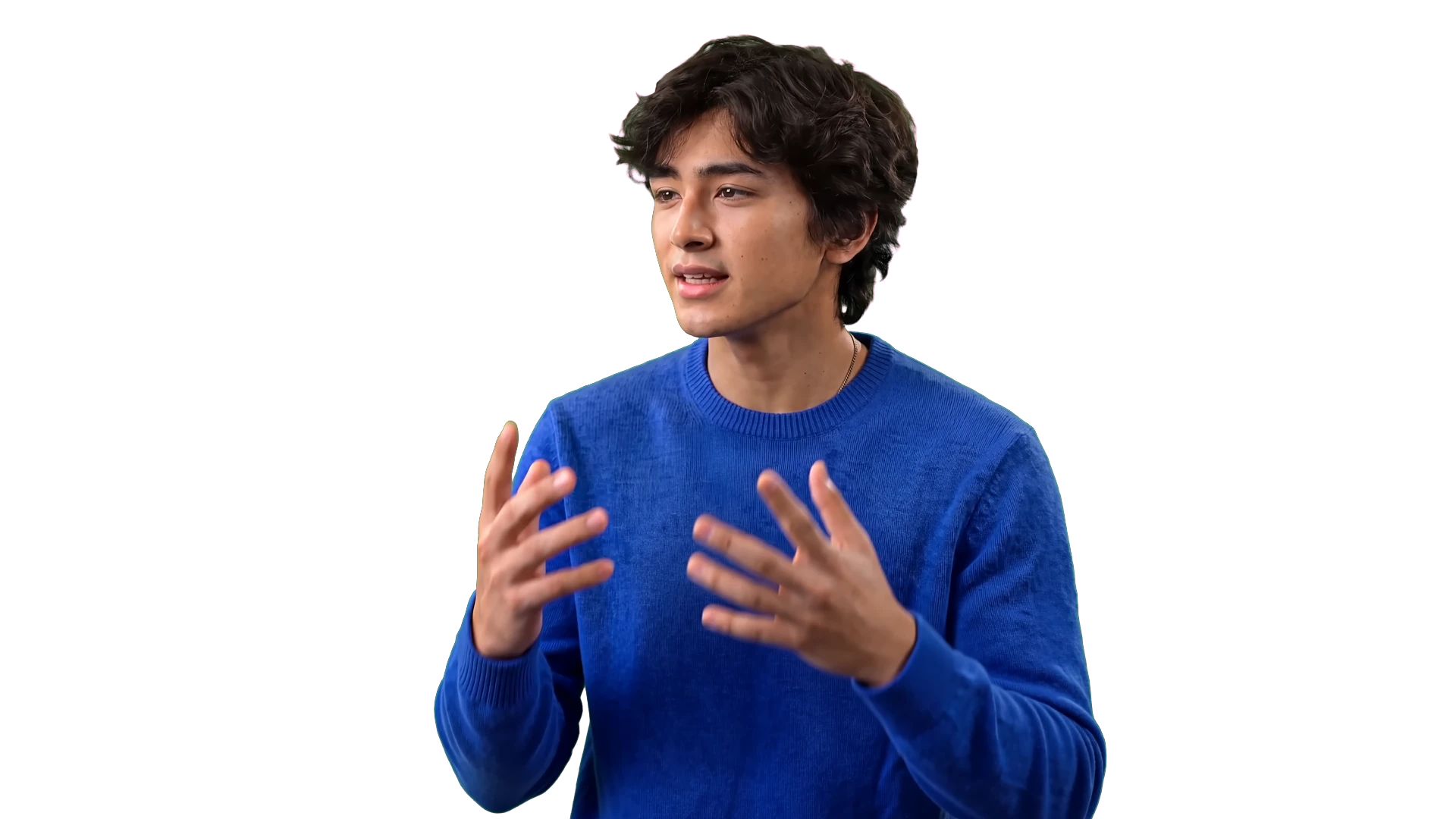
The learner pictured is a synthetic demonstration learner; no real student is shown. The brain visuals are illustrative and science-inspired — not brain scans, and not a claim that Coraltalk measures brain activity.
Built for Privacy

Security and privacy are top of mind for you, so they’re top of mind for us. We are secured by industry leading security frameworks and never use your data to train models.
SOC 2 Type 2
Certified

GDPR
Compliant
COPPA
Compliant
FERPA
Compliant
HECVAT
Compliant
Data not used for model training
What happens when you start using Coraltalk?
See results with just one assessment!
“With Coraltalk, we can replace the need for live teacher assessments, leading to substantial cost savings.”
— Miguel Velasco, Academic Manager at Private Ontario High School

“Coraltalk allows us to save time, save money, scale our classes, and make our instructors far more efficient and effective.”
— Sami Sabawi, COO of OpenScreenplay

“Achieving similar behavioral engagement without the platform would require significant improvisational roleplay and real-time acting from the instructor. Coraltalk provides that interaction consistency without requiring equivalent performance effort.”
— Ryan Downey, M.A.
Adjunct Professor of Psychology

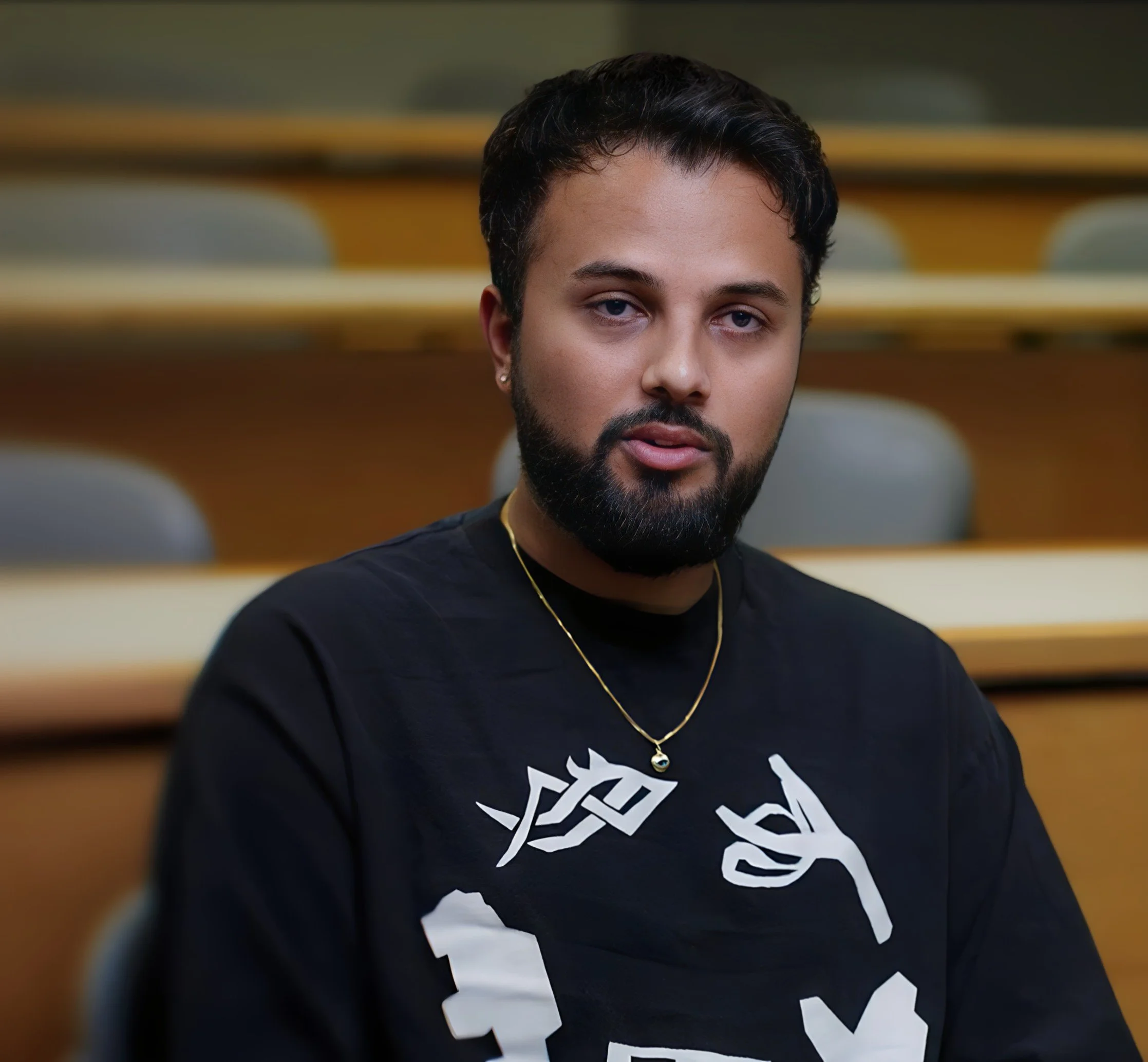
“I love it because I get to speak to Coraltalk in a deeper way.”
- Sarah Ajekwe, MBA student, York University
“I use Coraltalk to understand the material in class more.”
- Tushar Sroya, MBA student, York University
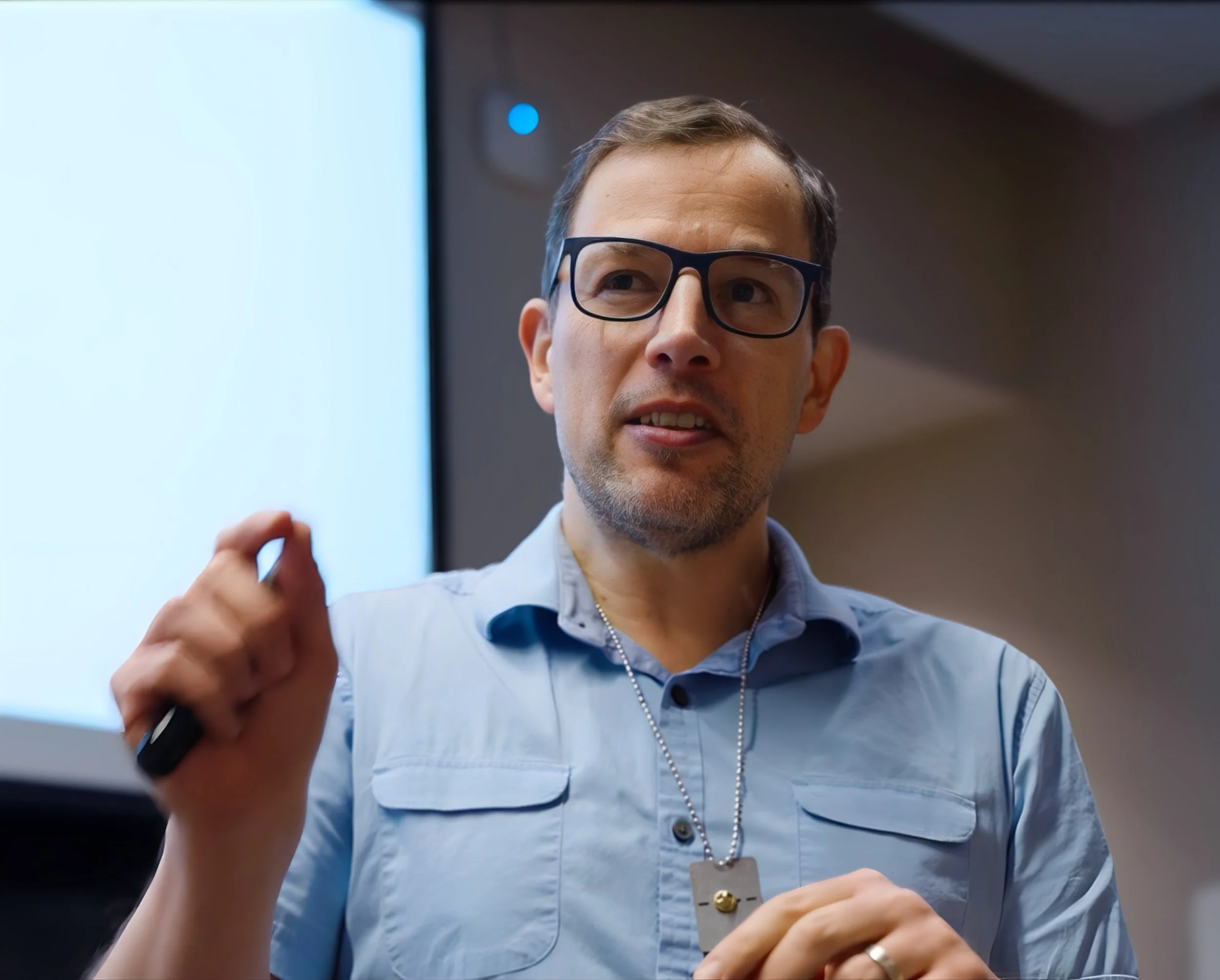
“I need to hear how students reason. Coraltalk allows me to assess their thinking at scale — not just their ability to produce polished writing.”
- Moshe Mikanovsky, MBA Professor at YorkU
Run video assessments that
reveal understanding and
build durable skills

90%
is forgotten
within ONE week.
Boost retention up to 90% with pedagogically proven active learning.

98%
of employers now prioritize durable skills .
With communication ranking as the most important. Prep students for real life.

95%
of assignments are
written with AI
Authentic learning with personalized oral exams that can’t be faked by AI.

FAQs
-
Coraltalk is a voice-first platform used by educators to scale oral exams, role-play, and explanation-based assessment in the age of AI.
Each student gets an AI tutor that adapts to their learning style, and each teacher gets an AI assistant that mimics their teaching approach. Coraltalk also 'reads' student assignments and asks follow-up questions to assess real understanding.
Over time, we track learning data across each student’s academic journey, giving schools actionable insights—much like how big tech optimizes employee performance.
Culturally responsive, aligned with best practices for education, all while celebrating your unique teaching style and their learning style.
-
Role plays, 4 types of oral exams including oral defence, and VidTickets. For more info, see https://www.coraltalk.com/exam-types
-
No. Coraltalk integrates with platforms like Canvas and Moodle.
-
Teachers can create their AI teaching assistant in just 3 to 5 minutes—by uploading course content and setting Coral to reflect their own teaching style.
They’ll receive a unique link to share with students, who can ask unlimited questions anytime.
Teachers can also assign oral assessments:
Standard assignments, where every student receives the same questions
Or personalized tests, where Coral generates custom questions based on each student’s written work
-
Yes, Coraltalk is designed to integrate seamlessly into existing educational and corporate platforms, enhancing the user experience without disrupting current workflows.
-
Absolutely! Coraltalk can be tailored to meet specific educational, corporate, or professional goals, ensuring a personalized experience for each user. To date, we’ve already created customized solutions for a screenwriting class, a french language class, and an acting school.
-
Coraltalk prioritizes data security, using encryption and compliance with relevant data protection laws to ensure the privacy of user information. We’re also COPPA compliant.
-
Unlike generic AI chat tools, Coraltalk is trained specifically on your course content, your teaching style, and your expectations.
Students get accurate, professor-approved explanations—not generic internet answers.
They’re guided through your materials, your way, in any language or learning style.Plus, Coraltalk gives you visibility into how students are engaging with the material—so you can see where they’re thriving and where they might need help.
Not to mention, we offer lecture recording, automatic re-training, and oral assignments.
-
With Coraltalk, your IP ALWAYS remains your IP. We NEVER use anything you upload to train models, and as soon as you delete content it’s permanently removed.
Beyond this, we encrypt your data, so your content is safe with us.