

Adaptive oral assessment for online & hybrid business programs
Your students can use AI.They still need to defend their thinking.

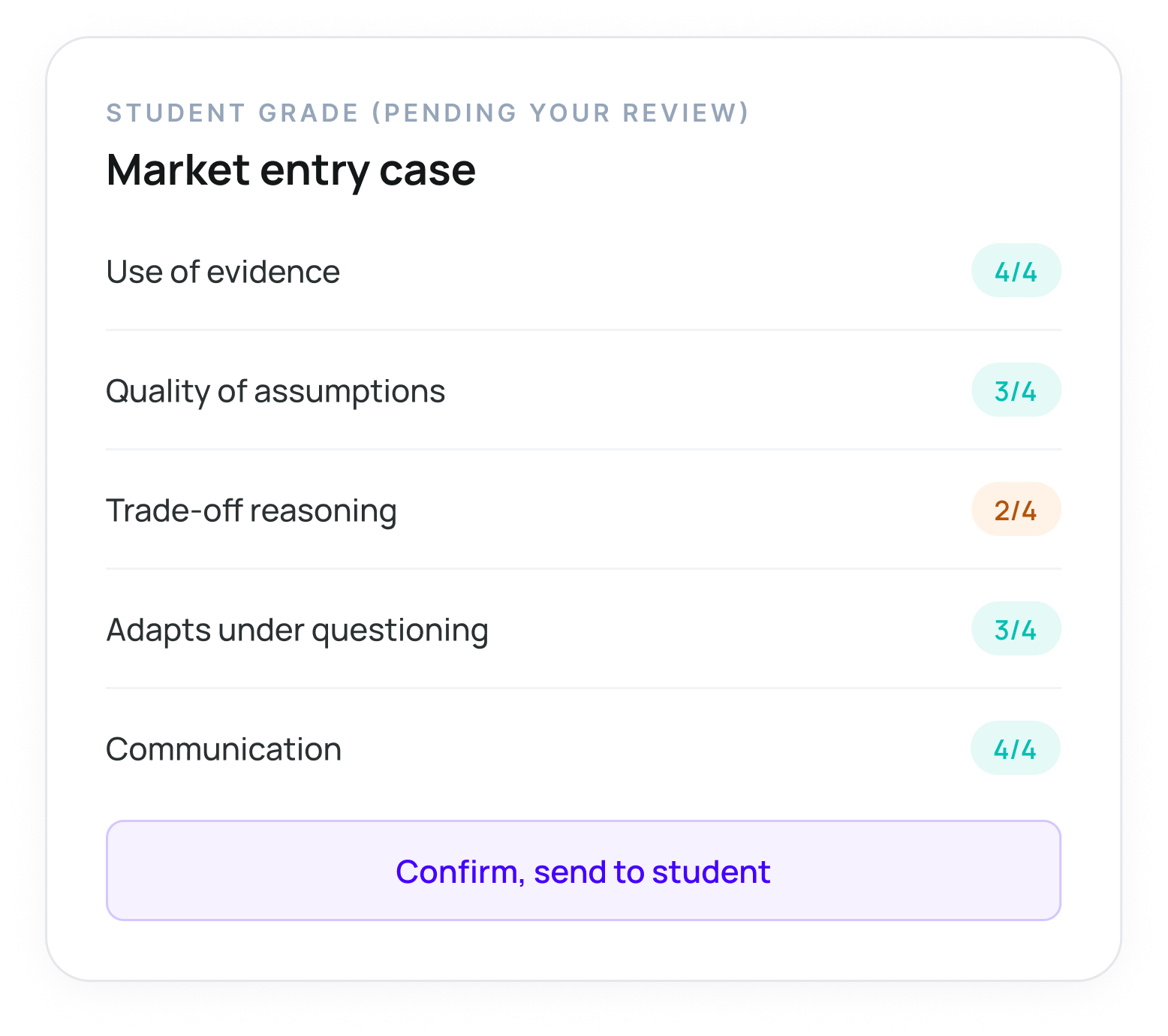
Turn the cases, presentations, memos, projects and reflections you already assign into adaptive spoken assessments. Coral asks the follow-up questions you would ask, scores against your rubric, and gives students instant feedback — without adding hours to your grading.
Built for AACSB-accredited schools running online and hybrid programs, where every course also has to demonstrate regular and substantive interaction.
Built for the way business is already taught.
Business education isn't about memorizing the right answer. It's about whether a student can explain why they made a decision, defend it under questioning, and adapt when challenged.
Coral makes that possible with every student.

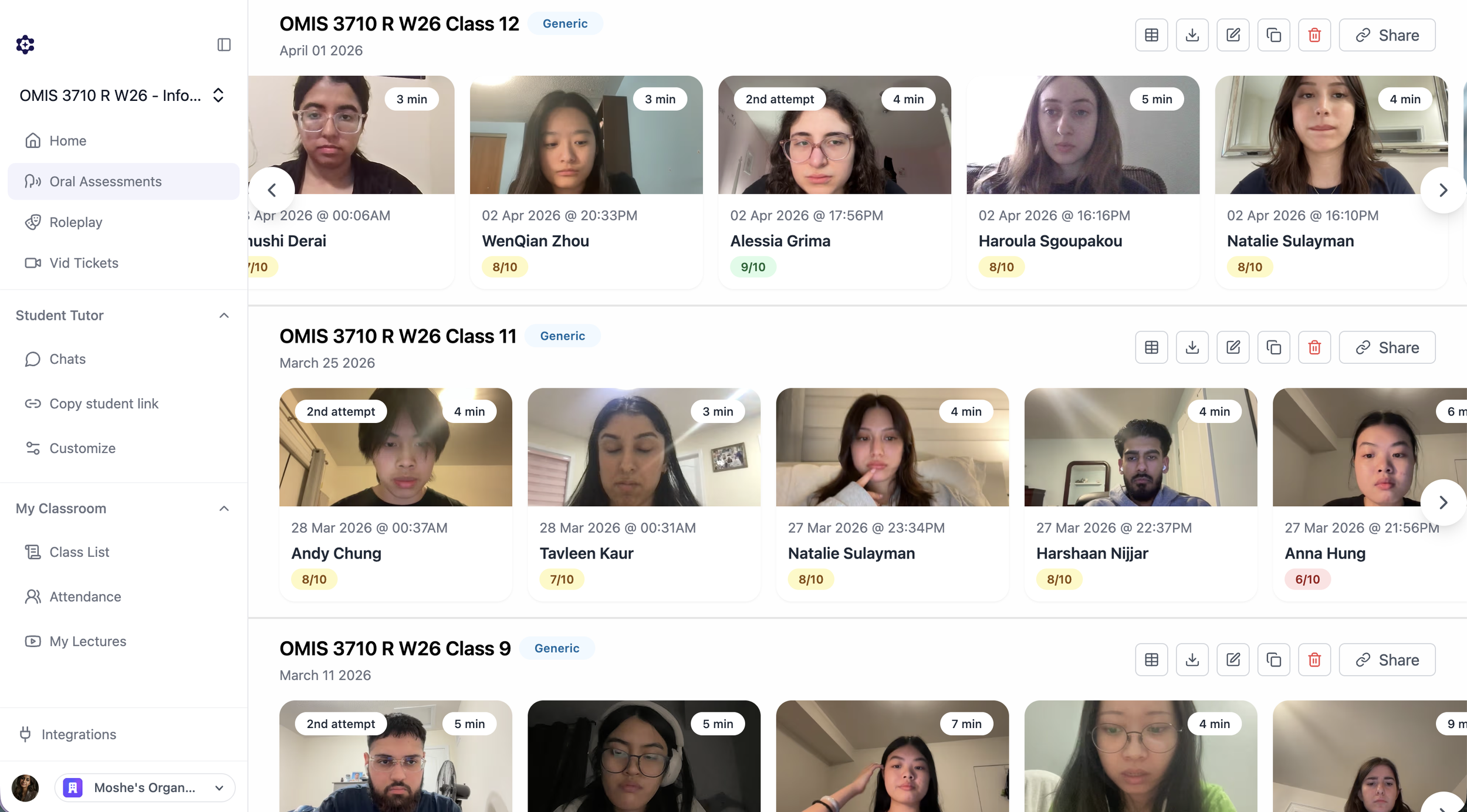
Record the class once. Turn it into a check for every student.
01
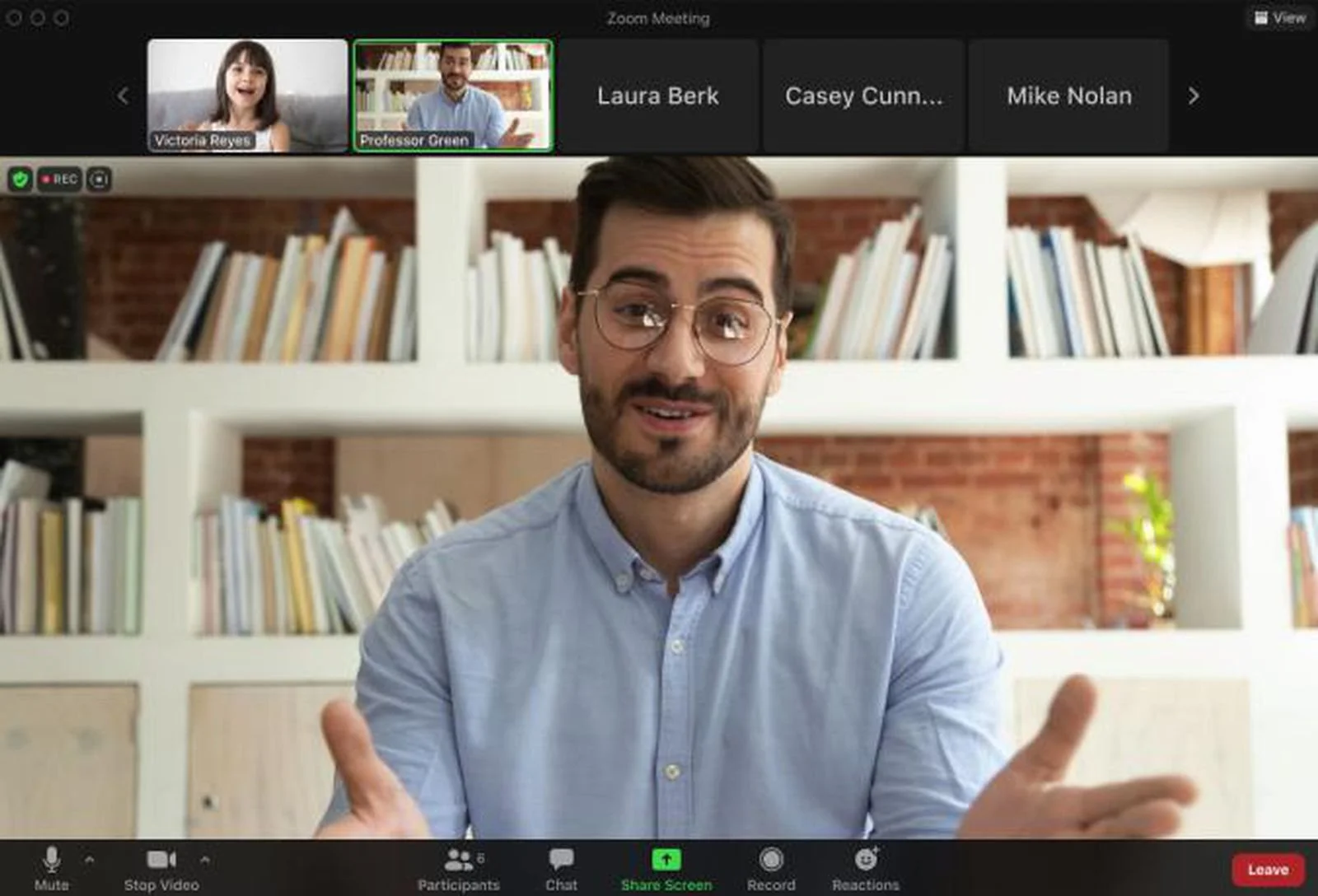
Class is recorded
Auto-capture the lecture, seminar or Zoom session. No new hardware workflow for faculty.
02
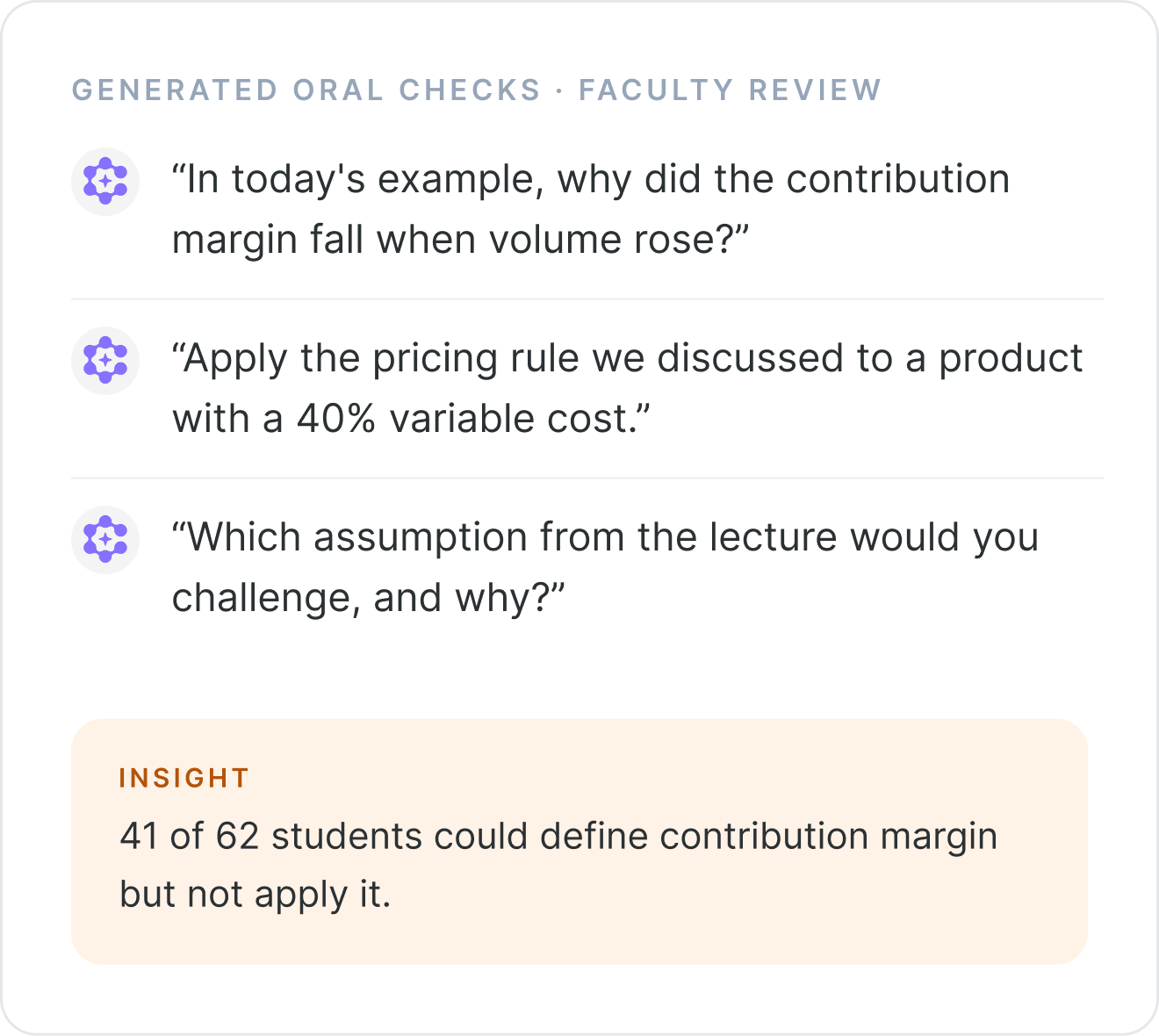
Coral drafts the checks
Questions mapped to what was taught and to your learning objectives — you review and edit before release.
03
Students talk it back
A 5-minute spoken check after each session, in class or asynchronously, for every enrolled student.



Federal regulation defines distance education as instruction that supports regular and substantive interaction between students and instructors. Courses that don't meet that standard are treated as correspondence education — which puts Title IV aid eligibility at risk.That makes interaction evidence a compliance and risk line item, not an innovation experiment: less discretionary, better funded, and it moves faster.
Read 34 CFR § 600.2 →
If your program is online or hybrid, interaction isn't a nice-to-have. It's a federal requirement.
US federal requirements
Substantive interaction means at least two of:
Providing direct instruction
Assessing or providing feedback on coursework
Responding to questions about the content
Facilitating group discussion on course content
Other instructional activities approved by the accreditor
“Regular” also means predictable, scheduled interaction — and monitoring engagement with proactive outreach.
Scheduled, per-student conversations
Every enrolled student has an individual spoken interaction on a predictable cadence you set — not an optional office hour.
Assessment and feedback on courseworkRubric-aligned scoring plus written feedback on the student's own submission, timestamped and exportable.
Content questions, answeredFollow-up on the material itself — recorded, transcribed and attributable to the course learning objectives.
An audit trail per course, section and termParticipation, engagement monitoring and interaction records your online-learning office can hand to a reviewer.
Faculty remain the instructor of record and make the final determination on every grade. Coraltalk documents the interaction — your institution interprets the regulation.

Six ways business faculty use Coral
-
Upload the case you're already teaching. Coral questions each student on their recommendation, assumptions, evidence and trade-offs.
"Why did you recommend entering this market instead of acquiring a competitor?"
-
Students submit the memo, then defend it. Coral pulls claims directly from their own writing and asks them to justify the reasoning behind each one.
"Your memo says the margin improvement is achievable in 18 months. Walk me through how you got to that number."
-
Run the presentation the way you always do. Coral handles the Q&A afterward, so every student gets questioned individually instead of the two or three you have time for.
"Your teammate presented the financials. Explain the assumption behind the growth rate they used."
-
Put students in the conversation they'll actually have at work. Coral plays the skeptical client, the underperforming direct report or the board member, and holds the position under pressure.
"I'm your CFO and I'm not convinced. Make the case for the capex in under two minutes."
-
Replace the exam you can't proctor. Coral asks each student a different sequence of questions drawn from your rubric and adapts based on how they answer.
"You defined the concept correctly. Now apply it to a company losing share in a shrinking market."
-
Give quiet students a way to be heard and give yourself a participation grade you can defend. Coral runs a short weekly check-in and scores it against your criteria.
"What changed in your thinking after this week's discussion, and what convinced you?"
Security you can stand by






Custom user roles
SOC 2 Type 2
Tiered permissions
GDPR compliant
API available
2FA with email codes
You set the learning objectives. Coral runs the conversation.
Upload or link your materials
A case, article, assignment,
presentation, reading, dataset or
course material.
Choose what you want to assess
Add your learning objectives,
questions or existing rubric.
Students talk it through
Coral conducts an adaptive video, voice or text conversation and follows up based on each student's answers.
Review the evidence
See the recording, transcript, summary, rubric-aligned scores and feedback in one place.


“In business education, I need to hear how students reason. Coraltalk allows me to assess their thinking at scale, not just their ability to produce polished writing.”
Moshe Mikanovsky
MBA Professor at YorkU
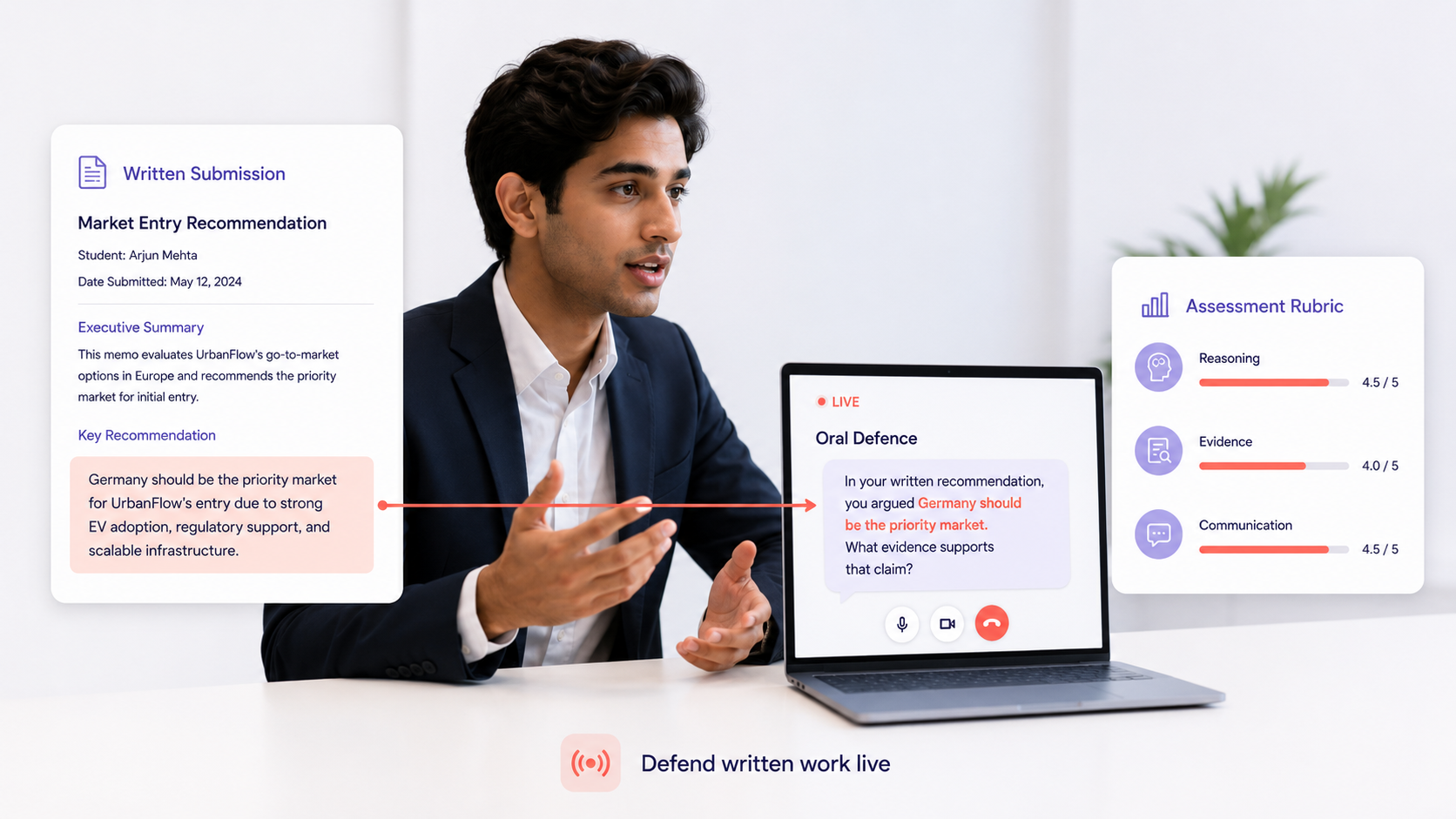
No more grading AI-written work.
Restore academic integrity.
Students can generate a polished case analysis, strategy memo, reflection, or recommendation in seconds. Coral can instantly read what they allegedly wrote and ask personalized, rubric questions.

Sales
Discovery calls, objections,
negotiation and client conversations
Marketing
Campaign pitches, customer
strategy, positioning defenses
Consulting
Case interviews, client presentations and recommendation defenses
Entrepreneurship
Investor pitches, business
models, market-entry decisions
Strategy
Case defenses, competitive analysis, strategic recommendations
Management & HR
Leadership, coaching, conflict
and employee roleplays
Finance
Investment recommendations,
valuation assumptions, financial
analysis
Accounting
Analysis, professional judgment
and recommendation defenses
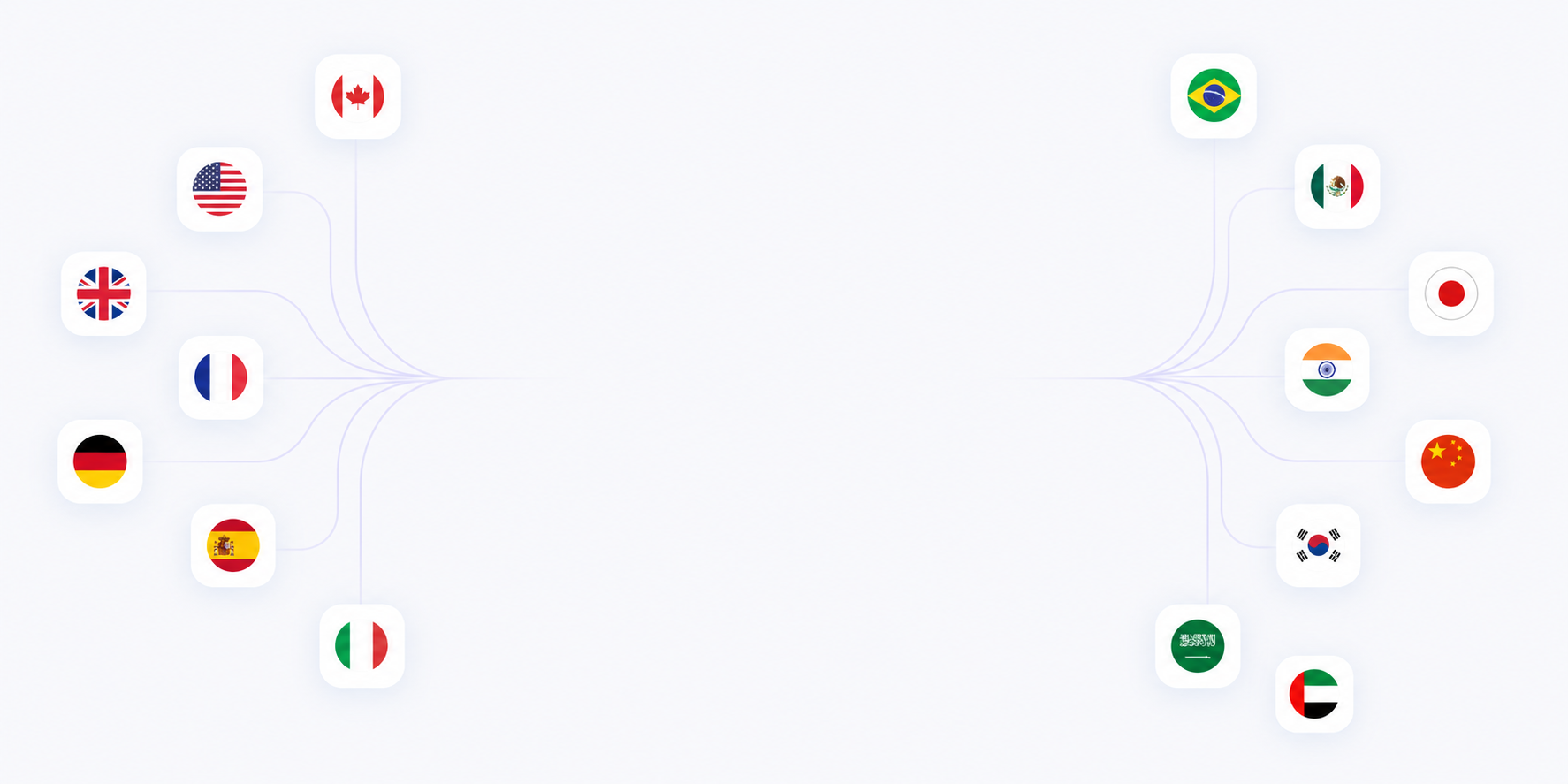
Works in 70+ Languages
Let students practice in the language they actually use in business.

Don't redesign your course
around another tool.
Coral works with the materials and assignments you've already built. Upload one assignment and see what it looks like as an adaptive spoken assessment.
Bring us a case or syllabus. We'll build it with you.